





Growing your own herbs indoors is a wonderful way to add fresh flavors to your cooking, brighten up your living space, and enjoy gardening year-round—regardless of the weather outside. Whether you have a sunny windowsill or a small corner in your kitchen, starting a small indoor herb garden is simple and enjoyable. This guide will walk you through everything you need to know to get started, from choosing the right herbs to caring for them.
Why Grow Herbs Indoors?
Indoor herb gardens offer several benefits:
– Freshness: Pick herbs right when you need them for cooking.
– Convenience: No need to go to the store or worry about seasonal availability.
– Aesthetics: Herbs add greenery and a pleasant aroma to your home.
– Well-being: Gardening can reduce stress and improve indoor air quality.
Choosing the Right Herbs for Indoor Gardening
Not all herbs thrive indoors equally, so start with varieties that are well-suited to indoor conditions. Some easy-to-grow herbs include:
– Basil: Popular in many dishes, prefers warm, sunny spots.
– Mint: Grows vigorously and tolerates various light conditions.
– Parsley: Needs moderate sunlight and regular watering.
– Chives: Compact and hardy, good for limited space.
– Thyme: Requires good drainage and plenty of light.
– Cilantro: Prefers cooler indoor temperatures and bright light.
– Oregano: Enjoys sunlight and well-drained soil.
What You’ll Need to Get Started
Before planting, gather some basic supplies:
– Containers: Choose pots with drainage holes to prevent waterlogging. Small pots (4–6 inches deep) are usually enough.
– Potting Mix: Use a light, well-draining potting soil formulated for herbs or indoor plants.
– Seeds or Starter Plants: Beginners may find it easier to start with small plants rather than seeds.
– Watering Can: A small can with a narrow spout helps control watering.
– Light Source: A bright, sunny window or grow lights for sufficient light.
– Plant Labels: To keep track of different herbs.
Step-by-Step Guide to Starting Your Indoor Herb Garden
1. Select the Location
Find a spot that receives at least 6 hours of sunlight a day, such as a south-facing window. If natural light is limited, consider using LED grow lights designed for plants, placed about 6–12 inches above the herbs.
2. Choose Containers and Soil
Pick pots with drainage to avoid root rot. Fill them with fresh potting mix, leaving about an inch of space at the top for watering.
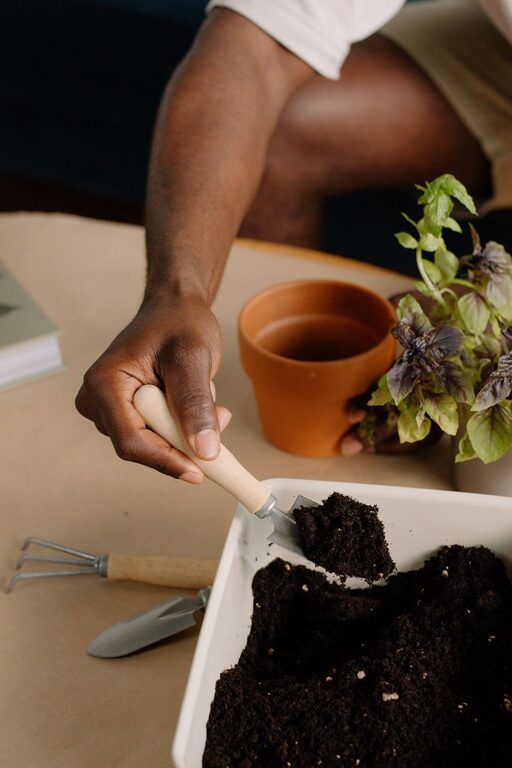
3. Planting the Herbs
– Seeds: Follow the packet instructions for planting depth and spacing. Lightly cover seeds with soil and water gently.
– Starter Plants: Remove them carefully from their nursery containers, loosen the roots slightly, and plant them in your pots at the same depth they were growing before.
4. Watering
Herbs prefer moist but not soggy soil. Water when the top inch of soil feels dry. Overwatering can damage the roots, so ensure the pots drain well.
5. Feeding
Use a balanced, water-soluble fertilizer every 4–6 weeks during the growing season. Avoid overfeeding, as herbs generally do well with minimal fertilizer.
6. Pruning and Harvesting
Regular trimming encourages bushier growth. Pinch off the tips of the stems, but avoid removing more than one-third of the plant at a time. Harvest in the morning for best flavor.
Tips for Successful Indoor Herb Gardening
– Rotate Pots: Turn your pots weekly so all sides get equal light and grow evenly.
– Maintain Humidity: Herbs prefer moderate humidity. If your home is dry, place a small tray of water nearby or mist the plants occasionally.
– Watch for Pests: Indoor herbs can sometimes attract pests like aphids or spider mites. Wipe leaves clean and use natural remedies if needed.
– Repot When Needed: If roots start to outgrow the pot, transplant the herbs to a slightly larger container.
Common Challenges and How to Overcome Them
– Leggy Growth: Often due to insufficient light. Move plants closer to a window or supplement with grow lights.
– Yellowing Leaves: Can indicate overwatering or nutrient deficiency. Adjust watering and consider feeding nutrients.
– Lack of Aroma or Flavor: May result from inadequate light or overwatering. Ensure proper care and harvest regularly.
Conclusion
Starting a small herb garden indoors is a fulfilling and practical way to enjoy fresh herbs all year long. By choosing the right plants, providing proper light and care, and maintaining your garden with regular attention, you can create a thriving mini-garden right inside your home. Whether you’re a seasoned gardener or a beginner, the joy of growing your own herbs is just a few steps away!
Happy gardening!