

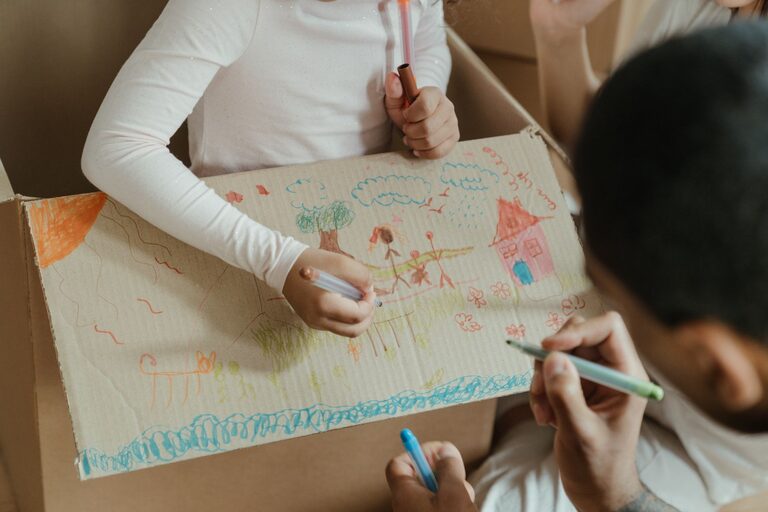
Children’s artwork is a wonderful expression of their creativity and imagination. From colorful paintings to crafty collages, these pieces often hold sentimental value for both kids and parents. However, over time, the collection can grow quickly, leading to clutter and disorganization. Keeping kids’ art organized not only helps preserve memories but also creates a tidy environment that encourages creative expression.
In this post, we’ll explore practical tips and ideas to organize, store, and display children’s artwork efficiently. Whether you want to save every piece or curate a special selection, these strategies can work for families of all sizes.
Why Organize Kids’ Art?
Before diving into the tips, it’s worth understanding why organization matters:
– Preservation: Art can deteriorate if left in piles or stored improperly.
– Decluttering: Managing the volume of art keeps your living spaces neat.
– Encouragement: Displaying art shows kids you value their efforts.
– Memory Keeping: Organized storage makes it easier to look back on milestones.
1. Create a Dedicated Art Space
Having a specific area for art supplies and finished pieces helps control the flow of materials and artwork.
– Art Cart or Caddy: Use a rolling cart or caddy to keep paints, brushes, and tools in one place.
– Display Area: Dedicate a section of a wall or a cork board for recent creations.
– Storage Bins: Label bins or baskets by project type or child to keep supplies sorted.
2. Use an Art Filing System
A filing system is great for sorting and storing 2D artwork like drawings and paintings.
– Portfolios: Purchase or DIY large portfolios to store flat pieces. Assign one per child.
– Accordion Folders: These are compact and perfect for categorizing art by date or theme.
– File Boxes: Standard file boxes with hanging folders allow you to organize by year or grade.
3. Digitize Artwork
Digitizing art reduces physical clutter while preserving memories.
– Take Photos: Use a smartphone or camera to photograph each piece.
– Create Digital Albums: Organize photos in folders by child and date.
– Apps: Consider apps specialized for kids’ art, allowing you to tag and share creations.
– Photobooks: At the end of the year, compile favorite pieces into a printed photo book.
4. Display Creatively
Showcasing art encourages kids and brightens up your home.
– Rotating Gallery: Use clipboards, wire and clips, or magnetic strips for an easy way to swap artwork regularly.
– Frames: Select a few favorite pieces to frame and hang.
– Art Collage: Create a large collage of several small artworks to feature in one spot.
– Clothesline Display: Hang a string with clothespins in a playroom or hallway to clip up new creations.
5. Set Limits and Encourage Selection
It’s important to decide how much to keep to avoid overwhelming storage.
– Keep the Best: Encourage your child to choose their favorite pieces.
– Limit Boxes: Assign a box or folder per year. When it fills, consider sorting or discarding.
– Repurpose: Use artwork for wrapping paper, greeting cards, or gifts for family members.
– Recycle Respectfully: Let kids know it’s okay to let go of some pieces to make space for new work.
6. Use Storage Solutions for 3D Art
Sculptures, crafts, and other dimensional projects can be harder to store.
– Display Shelves: Dedicate shelves or cubbies to showcase favorite 3D pieces.
– Storage Bins: Clear bins labeled by child or project type protect and organize creations.
– Photography: If keeping the physical item isn’t feasible, take a photo before recycling or gifting.
7. Make It a Family Routine
Involve your child in organizing their artwork.
– Regular Review: Set aside time monthly or seasonally to go through new art together.
– Decision Making: Let kids decide what to keep, display, or recycle.
– Celebrate Creativity: Use organization sessions as moments to celebrate your child’s efforts.
Conclusion
Keeping kids’ art organized doesn’t have to be overwhelming. With a few simple systems and regular routines, you can preserve precious memories, reduce clutter, and encourage your child’s creative expression. Whether through dedicated storage solutions, digitizing artwork, or fun display ideas, these tips make it easier to manage the joyful chaos of kids’ creations.
Remember, the goal is to honor your child’s creativity while keeping your home organized and inviting — a balance that benefits everyone.